
Top 3 Traditional Hungarian Food you have to try
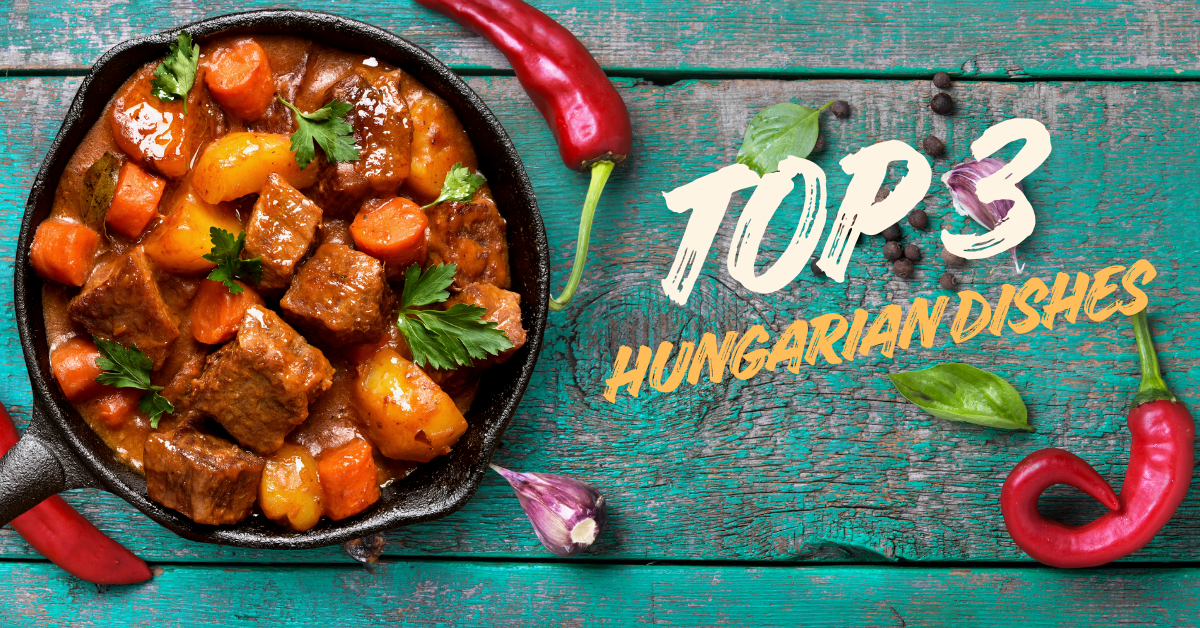
Hungarian food isn’t just about nourishment. It’s a doorway into stories, landscapes, and traditions. Whether you’re wandering through Budapest’s café-lined boulevards or exploring countryside markets for the first time, you’ll quickly discover that Hungarians show their hospitality through generous plates, warm kitchens, and flavors that linger long after your trip ends.
Before diving into the must-try dishes, picture this: bustling city streets full of pastry aromas, quiet village yards with heavy iron pots bubbling over open flames, and the unmistakable scent of paprika hitting hot oil the moment every great Hungarian meal begins. That’s the atmosphere that surrounds the country’s most iconic foods.
1. Goulash Soup – Hungary’s Heart in a Bowl
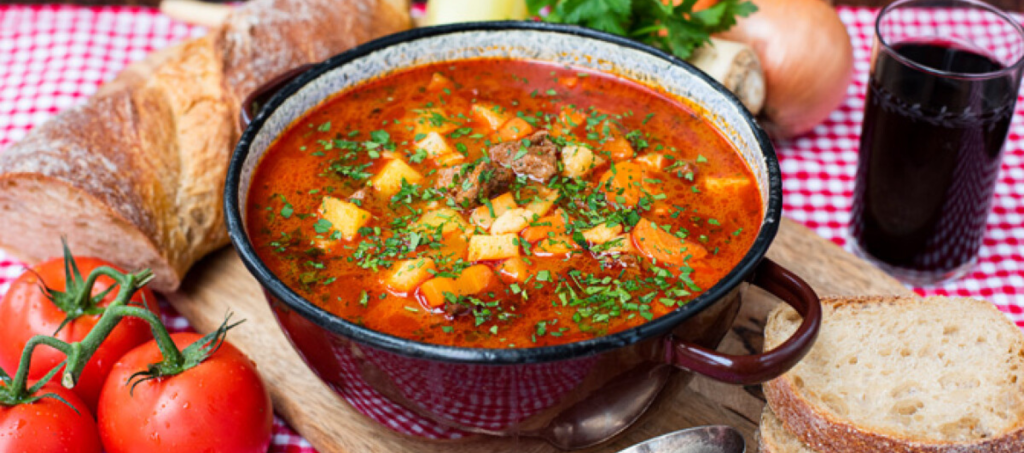
If one dish captures the spirit of traditional Hungarian food, it’s gulyásleves, or goulash soup. Originally cooked by cattle herders on the Great Plain, goulash was born outdoors, simmered slowly in heavy iron kettles while wide fields stretched endlessly around them. Imagine sitting under a vast sky as the broth bubbles. The paprika gradually reddens the soup. And the smoke clings to your clothes that’s still the soul of the dish today.
Modern restaurants prepare it with the same comforting simplicity: tender beef, onions, caraway, potatoes, and, of course, rich Hungarian paprika. When you see bogrács goulash on a menu, go for it; this means it’s cooked traditionally in a kettle, which brings a gentle smokiness that elevates the flavor. Locals often place spicy paprika paste on the table to customize the heat level. Use it sparingly until you know how fiery it is and a slice of fresh crusty bread is practically considered part of the meal. If you can try only one Hungarian Food, then it must be goulash.
Hungarian insider fact:
Originally, gulyás wasn’t a soup at all. It began as a thick, stew-like one-pot meal cooked by cattle herders in a bogrács and eaten with bread. The term goulash soup only appeared later when city restaurants started adding more liquid to adapt it to urban tastes.
2. Hortobágyi Pancake – The Savory Surprise
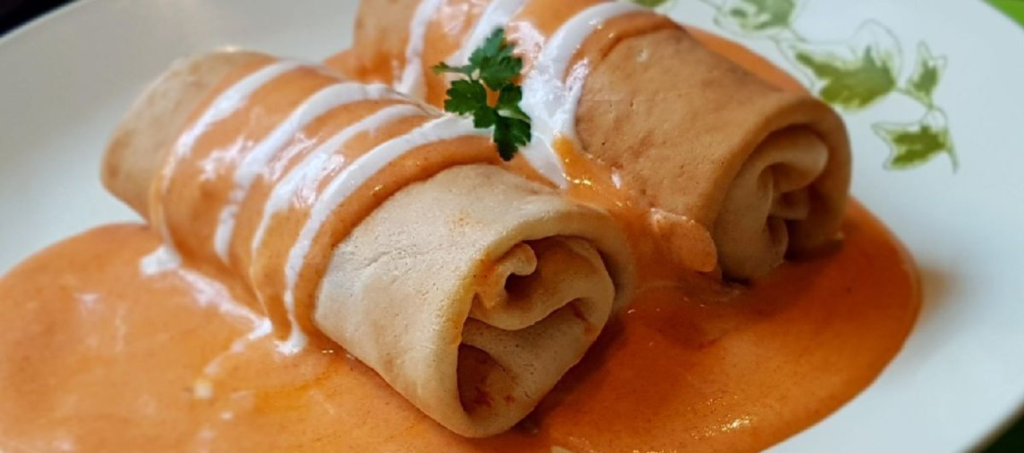
Although pancakes in Hungarian homes usually signal something sweet, think cottage cheese, jam, or powdered sugar, the iconic Hortobágyi pancake breaks all expectations. Created for a world expo in the 1950s, it transformed a familiar household favorite into a completely new experience: a soft crepe filled with finely chopped stew (often veal or chicken), topped with silky paprika sauce, then baked until all the flavors come together.
It’s rich, comforting, and unexpectedly elegant. When you order it, treat it as a main dish rather than a starter. It’s much more filling than it looks. With a glass of light Hungarian white wine like Furmint or Chardonnay beside it, the dish becomes one of those “I wasn’t expecting this, but I’m glad I tried it” travel moments.
3. Lángos – Hungary’s Addictive Street Food
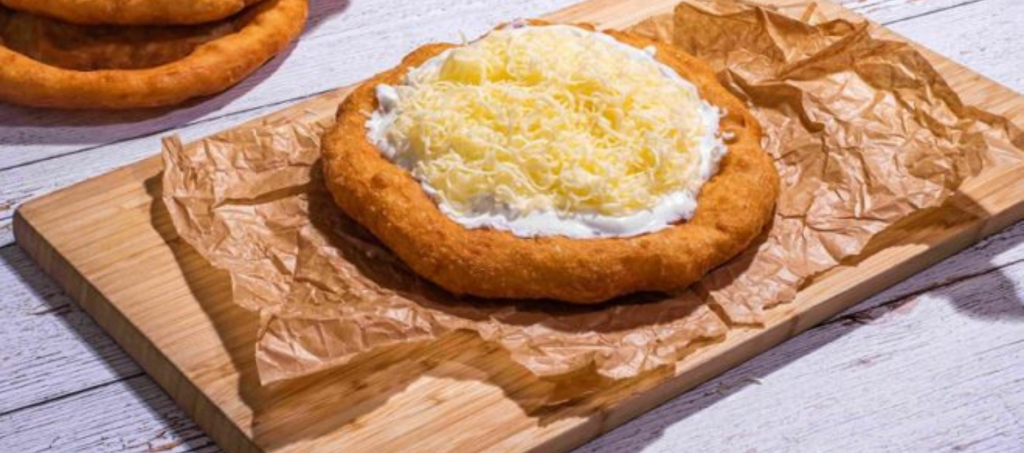
There is no Top 3 Traditional Hungarian Food list without the delicious and famous Lángos. Every Hungarian has a lángos memory usually involving sunshine, summer holidays at Lake Balaton, and trying not to burn your fingers as you take the first glorious bite. Lángos is simple but irresistible. A freshly fried golden flatbread brushed with garlic, then loaded with sour cream and shredded cheese. And while you’ll find it in markets, metro stations, festivals, and fairs, its true home is at Lake Balaton, where families line up barefoot and sun-kissed to grab one straight from the fryer.
The golden rule? Eat it hot. A fresh lángos is airy, crisp, and heavenly, but once it cools, the magic fades. The classic garlic–sour cream–cheese trio is unbeatable, though adventurous travelers often try versions with ham, bacon, or even Nutella. If sour cream drips down your wrist at least once, you’re doing it correctly.
Hungarian insider fact:
Most visitors think lángos is “street food”. But Hungarians know it actually comes from old village kitchens, where women tore off a piece of bread dough and fried it in fat as the very first test of the day’s bread. That quick fried piece — the ancestor of modern lángos — told them whether the dough had risen properly.
Eating Your Way Through Hungary
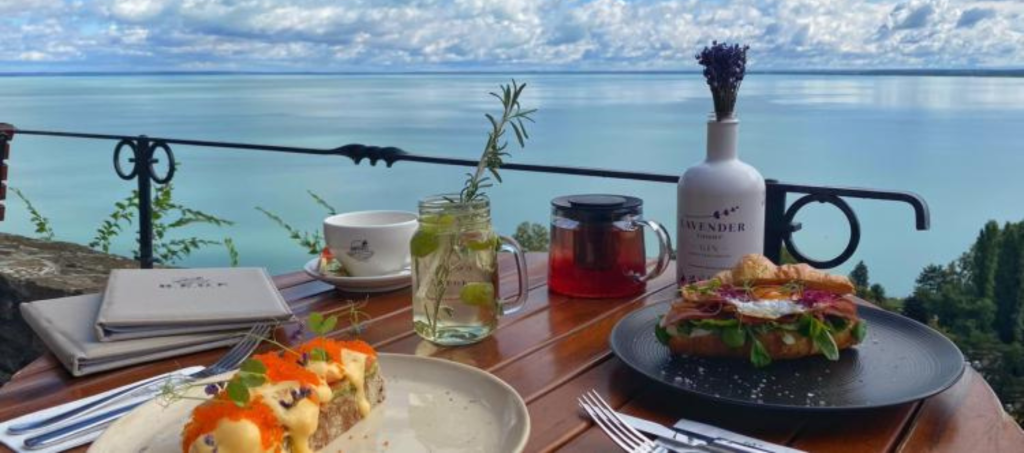
Food is one of the best ways to explore Hungary, and Hungarian food offers an unforgettable blend of comfort, history, and bold flavors. Wander through Budapest’s Great Market Hall for paprika, sausages, pastries, and of course lángos. Then venture into the countryside, where many Hungarians believe the best and most authentic flavors can be tasted. Here farm-fresh produce and traditional family recipes passed down for generations. And as delicious as everything is, pace yourself, because Hungarian cuisine can be hearty, especially when rich sauces, potatoes, and slow-cooked meats are involved.
Above all, embrace the warmth that comes with every dish. Hungarians love feeding guests, and they’ll always insist you try “just one more bite.” By the end of your trip, you’ll understand that in Hungary, food is never just a meal. It’s a story, a memory, and an invitation to feel right at home.
If you’d like to taste these iconic flavors across the Hungarian countryside as well, feel free to explore our private tours — we’d be happy to show you around.